
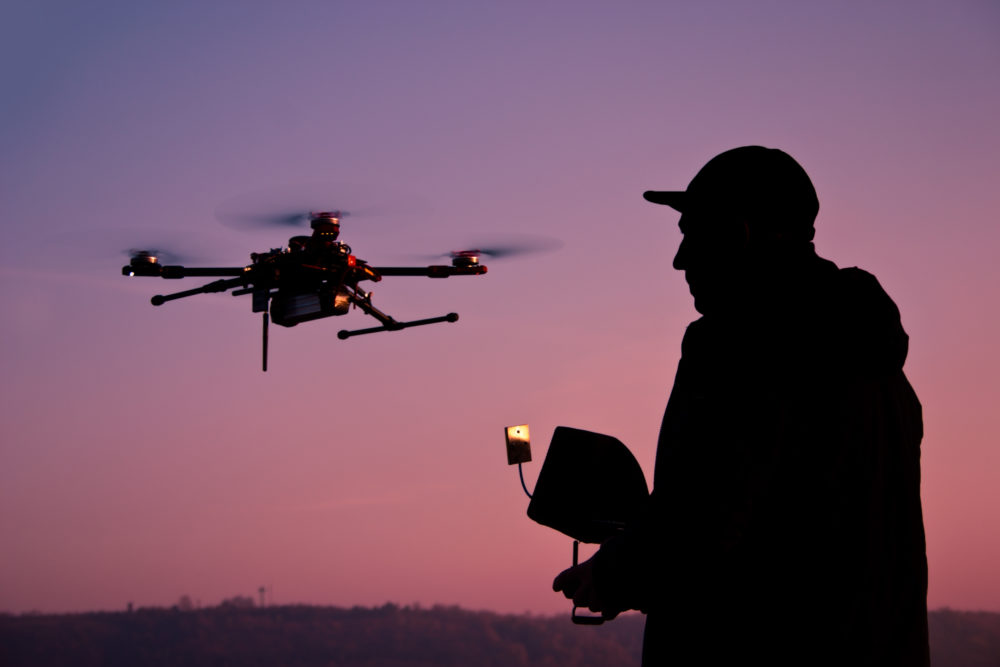
As armed drone technologies evolve, they are reshaping military strategy by offering precision strike capabilities, enhanced force protection and reduced personnel risk. However, these advancements also bring complex legal, ethical and operational challenges. From autonomous targeting concerns to compliance with international humanitarian law, the responsible deployment of armed drones remains a subject of global debate. Sonoran Desert Institute (SDI), accredited by the Distance Education Accrediting Commission (DEAC), emphasizes the importance of balancing innovation with accountability. Sonoran Desert Institute reviews frequently highlight the school’s practical approach to modern defense education, preparing students to navigate the ethical, legal and technical dimensions of drone-supported military operations.
Armed drones have reshaped military tactics by enabling long-range strikes, real-time intelligence collection and mission flexibility. These uncrewed systems allow commanders to engage hostile targets, while minimizing the exposure of pilots and ground forces to direct combat threats.
Precision and Reduced Collateral Damage
One of the key advantages of armed drones is their ability to deliver precision-guided munitions with high accuracy. Operators monitor live video feeds and confirm targets before engaging, reducing the likelihood of unintended civilian casualties and property damage.
Small, agile drones can engage targets in densely populated areas, where traditional airstrikes may pose higher risks. This targeting precision helps align military operations with international humanitarian law, which emphasizes the protection of noncombatants during armed conflict.
Minimizing Risk to Personnel
Armed drones allow operators to conduct missions from remote locations, reducing the number of personnel exposed to hostile environments. This capability decreases battlefield casualties, while maintaining operational effectiveness.
Operators remain safely stationed at secure command centers, while controlling drones deployed thousands of miles away. This standoff capability provides tactical flexibility for intelligence gathering, force projection and counterterrorism operations.
Supporting Counterterrorism and Asymmetric Warfare
In counterinsurgency and counterterrorism operations, armed drones allow militaries to target high-value individuals and disrupt hostile networks, without requiring large-scale troop deployments. These strikes reduce broader military engagement, while degrading enemy capabilities.
By limiting troop presence in contested regions, armed drones reduce the logistical burden and long-term costs of extended military operations.
Legal Considerations and Rules of Engagement
The use of armed drones remains governed by international law, including the laws of armed conflict, human rights law and national defense regulations. Strict Rules of Engagement (ROE) outline when and how drone strikes may be conducted.
Before launching a strike, operators are required to clearly identify the target, weigh the potential impact and take steps to avoid civilian harm. Legal advisors are often part of the review process, helping ensure that every decision aligns with established rules on the lawful use of force.
Potential for Misuse and Targeting Errors
Despite advances in sensor technology and operator training, armed drones remain susceptible to targeting errors caused by:
- Misidentification of individuals.
- Inaccurate intelligence.
- Environmental limitations (e.g., cloud cover, visual obstructions).
- Signal interference or data misinterpretation.
Errors in drone targeting may result in unintended civilian casualties, damaged diplomatic relations and reputational harm to military forces. These risks require ongoing oversight, accountability and transparent review mechanisms.
Ethical Concerns About Remote Warfare
Critics of armed drone use argue that remote warfare may desensitize operators to the consequences of lethal force. The physical distance between the operator and the target may reduce the psychological weight associated with combat decision-making.
Military ethics training addresses this concern by reinforcing the importance of responsibility, accountability and professional conduct, even when operating remotely. Operators remain bound by the same legal and ethical standards as those engaged in direct combat.
Autonomy and Human Oversight
The introduction of Artificial Intelligence (AI) into targeting and weapon deployment raises complex ethical questions. Fully autonomous lethal drones capable of selecting and engaging targets, without human intervention, remain highly controversial.
Most nations maintain strict policies requiring human-in-the-loop control for any lethal strike decisions. Preserving human judgment ensures compliance with legal standards and addresses moral concerns over delegating life-and-death decisions to machines.
Proliferation and Global Security Risks
The widespread availability of armed drone technologies increases the risk of proliferation among state and non-state actors. Armed drones in the hands of rogue regimes, terrorist organizations or criminal networks could destabilize regions and threaten global security.
International agreements and export controls aim to regulate the transfer of armed drone technologies, while promoting responsible use by authorized defense partners.
Psychological Impact on Civilian Populations
Prolonged drone surveillance and strike campaigns may create a climate of fear among civilian populations living under constant aerial monitoring. The psychological effects of persistent drone presence may contribute to trauma, resentment or radicalization.
Reducing these impacts means finding the right balance between mission goals and concern for civilian safety, while staying committed to ethical standards throughout every stage of drone operations.
Transparency and Public Accountability
The covert nature of some drone programs has led to public concerns about oversight, accountability and transparency. Clear reporting mechanisms, legislative oversight and independent investigations help maintain public trust and ensure lawful conduct.
Open discussions about the role of armed drones in national defense promote responsible policymaking and encourage adherence to ethical standards in warfare.
Expanding Career Opportunities in Defense Compliance and Operations
The growth of armed drone programs creates new career paths for professionals who specialize in drone operation, targeting analysis, legal review and ethical oversight.
Career roles include drone mission planner, targeting officer, compliance advisor, weapons integration specialist, and legal counsel for military drone programs. These roles support both operational effectiveness and ethical accountability in modern warfare.
Advancing Technology While Maintaining Ethical Standards
As drone technology continues to advance, it’s just as important for legal, ethical and policy frameworks to evolve alongside it. Industry experts, academic researchers and defense organizations are working together to make sure the use of armed drones stays in line with international standards and responsible defense practices.
Armed drone technologies offer militaries enhanced precision, flexibility, and force protection. Yet their deployment demands careful attention to legal obligations, ethical standards and global stability.
Responsible stewardship of these capabilities ensures that drones remain powerful tools for defense, while respecting the values of international law and humanitarian principles.
Organizations like Sonoran Desert Institute provide students with the knowledge and skills necessary to support lawful, ethical and effective armed drone operations. As military technology continues to advance, well-trained professionals remain essential for safeguarding the balance between innovation and responsibility on the modern battlefield.